
Reviewed · COOKING CLASSES
Pastel de Nata Baking Class – Portugal’s Famous Custard Tart
Custard tarts teach you Portuguese in two hours. This Pastéis de Nata class in Lagos is built for real skill, not just watching, with hands-on guidance from Joana and her team at The Kitchen. I especially like the friendly, funny tuition and the fact you’ll leave knowing how to make the creamy filling and assemble your own tarts. One thing to consider: you may not roll every single layer of pastry from scratch, since some pastry prep is handled in a time-saving, sustainability focused way.
You get a small group experience, capped at 10 people, and the class is offered in English. You start at Rua Lucinda Anino dos Santos F in Lagos and end back there, with a mobile ticket and a recipe PDF sent to you afterward. It’s the kind of plan that fits easily between beach time and dinner.
At $78.44 per person for about 2 hours, it’s not the cheapest thing in the Algarve. But the price makes sense when you add in the ingredients, tools, guided steps, and the chance to eat what you bake, plus take-home recipe details. If you’re picky about fully doing every pastry step yourself, read the room and be ready for an efficient workflow.
In This Review
- Key Points That Matter Before You Go
- Why Pastéis de Nata Feel Personal in Lagos
- Arriving at The Kitchen: Where the Class Starts
- What You Learn: Custard, Pastry, Assembly, and Baking
- Custard, done the Portuguese way
- Puff pastry elements and the efficient workflow
- Combining filling and pastry
- Baking your tarts and learning by results
- The Hands-On Part: What Your Table Work Looks Like
- Tasting Time: Eating Your Pastel de Nata While It Matters
- The People Factor: Why Joana’s Teaching Style Lands
- Price and Value: Is $78.44 Worth It?
- What to Do After the Class: Making Pastéis de Nata at Home
- Who This Class Is Best For (and Who Might Pass)
- Should You Book This Pastel de Nata Class in Lagos?
- FAQ
- How long is the Pastel de Nata baking class in Lagos?
- What is the price per person?
- Is the class offered in English?
- How many people are in the group?
- Where is the meeting point, and when does it end?
- What is included in the class?
- Do you get a recipe to take home?
- Is there any tasting during or after the class?
- Can I cancel for a full refund?
Key Points That Matter Before You Go
- Joana Glória and team keep it lively, so you’ll understand the steps without feeling like you’re in a lecture hall
- You make the custard and assemble the tarts, then you eat the results hot from the baking process
- Small group size (max 10) helps you get questions answered and actually do the work
- Some pastry components may be prepped ahead, saving time while focusing your hands on the key parts
- You’ll get an emailed PDF recipe so you can repeat it at home
- There’s a tasting moment, and some sessions include port wine with the pastel de nata
Why Pastéis de Nata Feel Personal in Lagos
Pastéis de Nata are easy to order and hard to forget. They’re also one of those Portuguese foods where technique matters more than fancy ingredients. In Lagos, the point of this class is to translate that technique into something you can actually repeat at home.
What I like about this setup is that it treats the tart like a process, not a mystery. You’re guided through making the custard, preparing the pastry elements, bringing them together, and baking. The result is that you understand what makes the filling creamy, what makes the pastry flaky, and why timing in the oven matters.
And Lagos matters here. This is the Algarve, but the class doesn’t feel like a generic tourist cooking show. It’s focused, hands-on, and small enough that you can ask questions and get practical help.
More things to make by hand around here:



Arriving at The Kitchen: Where the Class Starts
You meet at Rua Lucinda Anino dos Santos F, 8600-722 Lagos, Portugal. The activity ends back at the meeting point, which makes planning your day easier. Since it’s near public transportation, you can handle the logistics without stress, even if you’re staying somewhere you need to transit into town.
The class runs for about 2 hours. That timing is important because Pastéis de Nata require a real sequence: custard first, assembly next, then baking. If you’re trying to schedule this between meals, aim for a window where you’re not rushing right afterward.
You also get a mobile ticket. That’s the kind of detail that saves time, especially if you’re juggling beach buses, walking heat, or a phone that insists on low battery.
What You Learn: Custard, Pastry, Assembly, and Baking
This class is structured around the core moves that define Pastéis de Nata.
Custard, done the Portuguese way
You’ll learn how to make the creamy custard filling. This is the part that can go wrong if you rush or guess. In a good class, you’re not only told what to do, you’re coached on what to watch for during the process.
You’ll work on the custard during the session, so you’re not just observing. And because the group is small, you’re more likely to get your personal questions answered.
Puff pastry elements and the efficient workflow
The class also covers preparing puff pastry elements. Here’s where you should calibrate expectations. One participant feedback noted that you do not get to make the full pastry case from scratch, because it’s time consuming. Instead, you may use pastry already made by previous participants.
That might sound like a compromise, but it actually fits how real workshops can run. It’s also explained as a sustainability approach: reusing pastry dough that’s been freshly prepared for the class rather than discarding it. From a value perspective, that can be a win, because the time savings lets you focus on custard and assembly, which are the steps you’ll remember and repeat later.
Another way to take the same stretch of coast:
- From Lagos: Boat Cruise to Ponta da Piedade
★ 4.9 · 3,346 reviews - From Lagos: Benagil Caves Speedboat Adventure
★ 4.8 · 2,962 reviews - Lagos: Boat Cruise to Ponta da Piedade
★ 4.8 · 2,645 reviews - Lagos: Combo Dolphin and Benagil Tour with Marine Biologist
★ 4.7 · 2,352 reviews - Lagos: Ponta da Piedade Rock Formations Guided Boat Tour
★ 4.9 · 2,290 reviews
Combining filling and pastry
Once the custard and pastry components are ready, you combine them. This is the step where small differences show up fast. You’ll be guided through assembling your tarts so they bake properly, instead of just dumping filling into pastry and hoping for the best.
Baking your tarts and learning by results
Then comes the oven time. You’ll bake the Pastéis de Nata during the class and get to eat what you cooked. That’s a big deal because you can connect what you did with how the finished tart tastes.
If you’ve ever had a recipe fail at home, you know the frustration. Cooking classes like this are valuable because they let you correct your assumptions while you’re still in the learning mode.
The Hands-On Part: What Your Table Work Looks Like
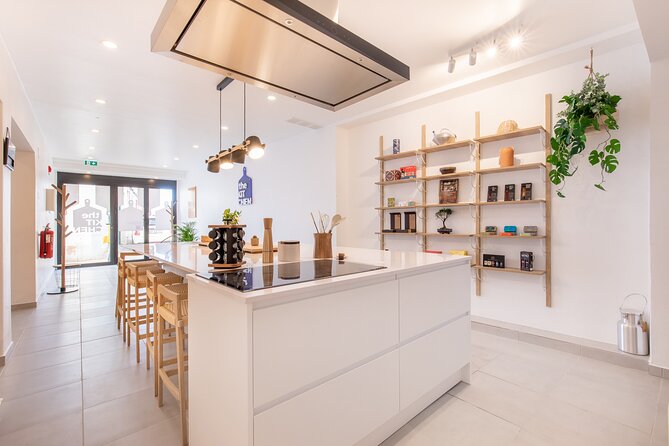
This is not a sit and snack kind of class. You’ll do the work in stages, with the team assigning parts of the process so everyone has something to do. That means you’ll mix, fill, and assemble, rather than waiting while someone else handles the whole production.
A small but telling detail from the experience style: the class often has a playful vibe while you wait for the tarts to bake, including games. That matters more than it sounds. Waiting around is where cooking classes lose people. Here, the downtime is managed so the energy stays up.
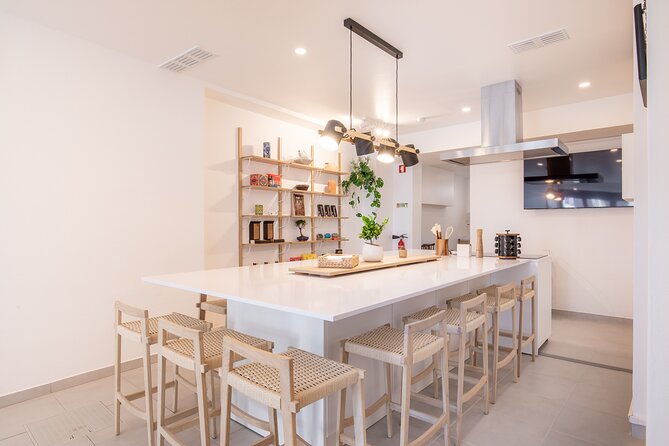
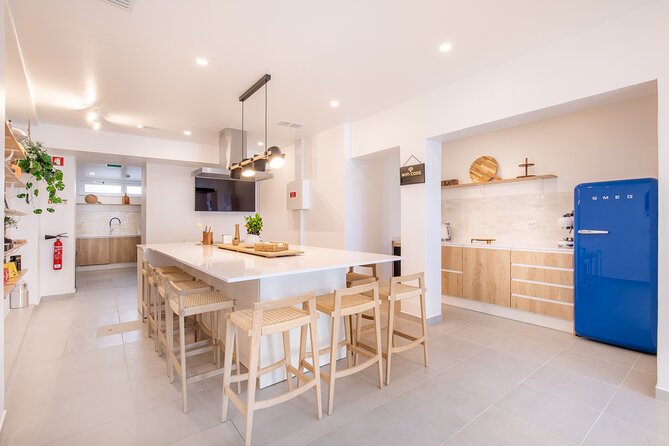
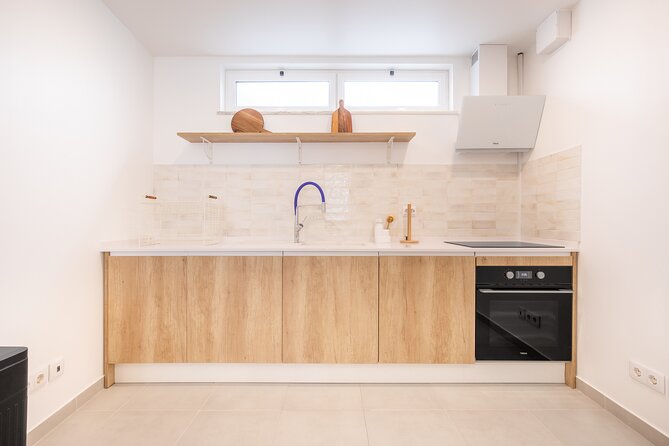
Also, the kitchen environment is described as beautiful and welcoming. That combination matters because you’ll be more willing to try, and more relaxed when something is sticky or tricky. (Yes, pastry can escape the case. It happens. The good news is it still tastes great.)
Tasting Time: Eating Your Pastel de Nata While It Matters
At the end of the class, you eat the custard tarts that were cooked during the experience. This tasting moment is not just a reward. It’s part of learning.
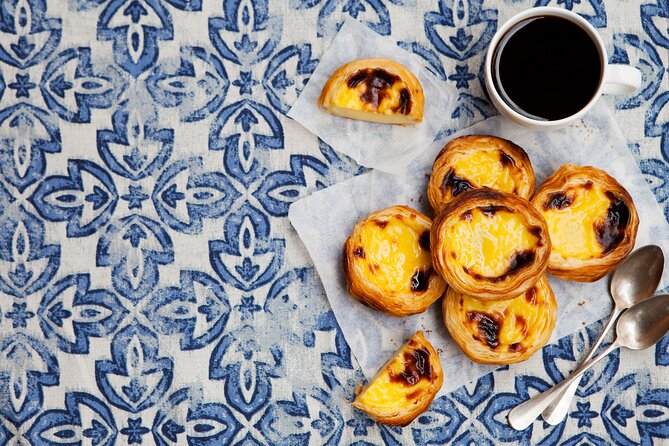
You get to taste your assembled tarts while everything is fresh. That gives you a better mental reference for what success should feel like. Sweet, custardy center, crisp edges, and that classic Pastéis de Nata texture contrast.
Some sessions also include a little port wine with the pastel de nata. If you like Portuguese flavors beyond custard, it’s a nice finishing touch that fits the dessert-and-sip rhythm.
The People Factor: Why Joana’s Teaching Style Lands

This is one of those classes where the instructor energy is part of the value.
Joana Glória is highlighted repeatedly for being engaging, entertaining, and patient. Her English is also described as excellent, which matters because Pastéis de Nata technique often relies on instructions like cook until it looks right, not just cook for a timer.
A few reviews also mention memorable touches like adding a candle for a birthday moment. If you’re celebrating something, that kind of personal detail can make the class feel special without being overly formal.
If you’re traveling solo or with friends, the small group can make it feel like a shared workshop. It’s not cold or corporate. You’ll likely chat while you work, and you’ll walk away with more than just a recipe.
Price and Value: Is $78.44 Worth It?
Let’s be real. $78.44 for about two hours is a meaningful spend in Lagos.
Here’s why it can still feel fair:
- All ingredients and cooking tools are included, so you’re paying for a guided, fully stocked experience
- You eat freshly baked Pastéis de Nata made during the class, which isn’t a guarantee with every workshop
- You leave with a PDF recipe emailed after the experience, which is useful because it helps you repeat the steps later
- The class is limited to max 10 travelers, so you’re not fighting for attention
What you’re not getting is unlimited, hands-on access to every single micro-step of pastry making. Because some pastry components may be prepped in advance (for time and sustainability reasons), the workshop focuses your hands where they count most: custard, assembly, and baking.
So the best way to judge value is by your goal. If your goal is to learn how the tart comes together and bring home a usable method, this is strong value. If your goal is to literally start from raw dough and personally make every part end to end, you might feel slightly short.
What to Do After the Class: Making Pastéis de Nata at Home
You’ll receive an email after the experience with a PDF recipe so you can recreate Pastéis de Nata at home. That alone changes the whole experience. Many cooking classes give you a memory and a vague summary. A recipe file gives you structure.
To make your first attempt more successful, treat your home bake like a replay of the class. Use the recipe as your checklist, and don’t rush the steps you learned to be careful with. Since custard texture and assembly details matter, it’s the timing and process that you’ll want to match, not just the ingredient list.
Also, plan to practice once before serving to guests. Pastéis de Nata are forgiving in taste but not forgiving in texture if you skip a key step. Your second try will usually feel much smoother.
Who This Class Is Best For (and Who Might Pass)
This workshop is a great match if:
- you want a fun, relaxed Portuguese food skill with a real teaching focus
- you enjoy hands-on activities and want to learn, even if you’ve never baked before
- you like small group settings where questions are likely to get answered
It may be less ideal if:
- you strongly prefer a class where you personally make every pastry dough component from scratch
- you’re short on time and need something ultra-fast (this is about 2 hours)
- you want a purely tasting tour, not a cooking class
Good news: you do not need prior cooking experience. The class is designed to guide you through the steps.
Should You Book This Pastel de Nata Class in Lagos?
If you’re in Lagos and you want an authentic Algarve activity that mixes Portuguese culture with practical cooking skills, I think this is an easy yes.
Book it if you want to:
- learn the custard and assembly method you can repeat later
- spend time in a welcoming kitchen with English instruction
- eat what you make, with a tasting payoff that feels earned
Consider another option if you need a class that is strictly hands-on from pastry dough start to finish, no prepped components. But if you’re flexible about workflow and focused on learning, this is exactly the kind of class that turns a famous dessert into something you understand.
FAQ
How long is the Pastel de Nata baking class in Lagos?
It runs for about 2 hours.
What is the price per person?
The price is $78.44 per person.
Is the class offered in English?
Yes, the class is offered in English.
How many people are in the group?
The class has a maximum of 10 travelers.
Where is the meeting point, and when does it end?
You meet at Rua Lucinda Anino dos Santos F, 8600-722 Lagos, Portugal. The activity ends back at the meeting point.
What is included in the class?
The class includes all ingredients and cooking tools needed to make the Pastéis de Nata, and you also enjoy the custard tarts you bake.
Do you get a recipe to take home?
Yes. After the experience, you will receive an email with a PDF of the recipe.
Is there any tasting during or after the class?
Yes. You eat the custard tarts cooked during the class. Some sessions also include port wine at the end.
Can I cancel for a full refund?
Yes, you can cancel for free up to 24 hours in advance for a full refund. If you cancel less than 24 hours before the start time, the amount paid is not refunded.
New along the Algarve coast
- Lagos: Mindful Date Night: CacaoCeremony, Sauna & Ice Bath★ 5.0 · 1 review
- Lagos: Beneteau Oceanis 40.1 Private Sailing Experience★ 5.0 · 1 review
- Lagos: Afternoon Luxury Boat Cruise★ 5.0 · 1 review
- Lagos: Sunrise or Sunset Yoga and Cacao Ceremony★ 1.0 · 1 review
- Lagos: 2 Dives on the local Reefs (FOR CERTEFID DIVERS ONLY)★ 5.0 · 1 review
- Lagos: Coastal E-Bike Tour with Guide★ 5.0 · 1 review
- From Portimao: Half Day Tour of Lagos and Sagres★ 5.0 · 1 review
Cooking Classes, compared.
Market Tour & Cooking Class: Algarve’s Seafood Cataplana
Read our review →
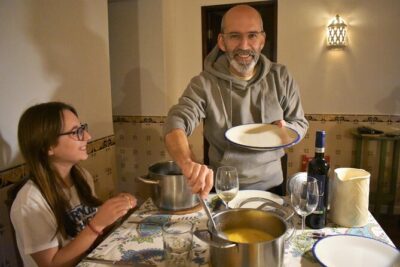
Home-Style Portuguese Cooking Class in Portimao with Pedro
Read our review →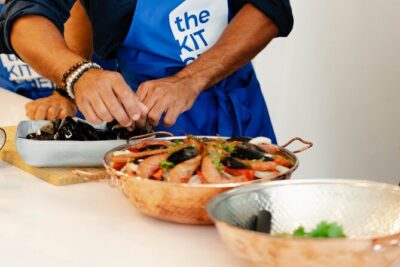
Portuguese Cooking Class: Algarve’s Pork & Seafood Cataplana
Read our review →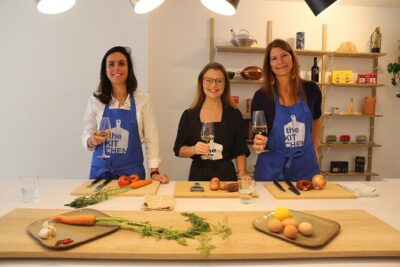
Traditional Portuguese Cooking Class: Grandma’s Secrets & Recipes
Read our review →Local Market Tour and Portuguese Seafood Cooking Class
Read our review →Portuguese Cooking Class: Algarve’s Pork & Seafood Cataplana
Read our review →Browse the lists this tour appears in