
Reviewed · LAGOS TOURS
Lagos: Traditional Portuguese Cooking Class
Grandmother-style cooking is the star here. In Lagos, a mother-daughter team, Joanna and Filippa, walk you through a true three-course Portuguese menu. I love how hands-on it is, and I also love that you leave with recipes that feel doable back home. One catch: transportation to the venue is not included.
This is a Sunday class built around family meals, the kind where you watch, taste, and learn as you go. You cook, you eat, you drink Portuguese wine, and you end with dessert plus a digestif or tea. With a small group limited to 8 and instruction in English and Portuguese, it is a relaxed way to get real flavors, not just tourist-style food.
In This Review
- Key things to know before you cook
- A Lagos kitchen, guided by Joanna and Filippa
- Your 3-hour flow: starter first, then simmer, then dessert
- Starter: Peixinhos da Horta green bean fritters
- Main course: Guisado de Ervilhas com Chouriço e Ovos Escalfados
- Dessert finale: Arroz Doce with digestif or tea
- Wine, water, and the meal’s steady rhythm
- What you take home (and why it matters)
- Price and value for a 3-course Sunday class
- Who this fits best in the Algarve
- FAQ
- FAQ
- How long is the Lagos Traditional Portuguese Cooking Class?
- What is included in the price?
- What courses will I cook and eat?
- Is the class offered in English?
- Is this a small group experience?
- When does the class run?
- Is there a vegetarian option?
- Do I need transportation to the venue?
- Is wheelchair access available?
- Is the class alcohol-free?
- Should you book this Portuguese cooking class?
Key things to know before you cook
- Small group, big attention: limited to 8 participants, so you are not stuck watching from the sidelines
- Sunday tradition in practice: the whole rhythm is built around the grandmother-table idea
- A real menu with classic Portuguese comfort food: peixinhos da horta, pea stew with chorizo and poached eggs, and arroz doce
- Wine during the class, digestif or tea with dessert: the meal feels finished, not rushed
- Recipes you can actually repeat: the goal is simple, quick dishes with heart
- Vegetarian options on request: you can adjust if you plan ahead
A Lagos kitchen, guided by Joanna and Filippa
If you want Portuguese food with context, this class gives it to you without turning it into a lecture. The vibe is warm and practical, and you can feel the theme right away: this is about Sundays, family, and the kind of kitchen memories that stick.
A big reason this works is the teaching style. The instructors, Joanna and Filippa, come across as charming and focused. In one review, a guest described how the hosts shared their childhood memories of their Nonna while cooking. That matters, because it changes the way you learn. You are not memorizing steps, you are understanding what the dish is supposed to taste like and why it is made that way.
The setting is also comfortable, which you notice fast once you start working. This is not a cramped, stressful food drill. You have space enough to chop, fry, stir, and ask questions, and the pace fits a 3-hour class.
Two practical notes before you arrive. First, you cannot bring pets. Second, smoking is not allowed. Plan to keep the trip simple and let the class do the heavy lifting.
Other outings based in Lagos:




Your 3-hour flow: starter first, then simmer, then dessert
The menu is straightforward in a good way. You will cook and eat a full sequence, with the starter bringing crunch and flavor, the main building comfort, and the dessert closing strong.
While the class runs for 3 hours, you will feel like you are doing two different things at once: cooking as a lesson, then eating as a meal. That is part of the value. You get to taste your work while it is fresh and you can ask questions before you forget what you did.
Here is how the day’s cooking usually feels, course by course.
Starter: Peixinhos da Horta green bean fritters
Peixinhos da Horta is one of those dishes that makes people instantly understand Portuguese home cooking. The name tells you the theme: it is basically a fritter made from green beans, with a light, snacky approach that works as a starter.
What I like about teaching with this dish is that it forces you to practice technique without overcomplicating the class. You are working with a quick-cooking format, so you can see results fast. That means you get feedback in real time, like how the batter behaves and how the beans fry up.
For you, the payoff is practical. Fritters are a great “confidence dish” to take home. If you can repeat something like this, you can handle other Portuguese starters later. And because the class is designed for all skill levels, you do not need fancy knife skills or prior experience. You just need to be willing to stand close and learn by doing.
Main course: Guisado de Ervilhas com Chouriço e Ovos Escalfados
The main is where the comfort shows up. You are making a pea stew with chorizo and poached eggs, so the dish has layers: savory from the chorizo, sweetness from peas, and richness from the eggs.
This is a smarter pick for a cooking class than something overly trendy. Stews teach you how flavors build, and the poached eggs add a finish you can really taste. In other words, you learn a core Portuguese cooking pattern, not just one isolated recipe.
Also, this is the kind of dish that feels like it belongs on a Sunday table. That is the point of the experience. You are not just producing food, you are producing a meal.
A small word to help you: pay attention to timing. With poached eggs in the mix, the last stretch matters. If you focus on what the instructor says about when to add or finish elements, you will get better results even when you reheat later at home.
If you want to be able to recreate this dish later, take notes on smell and texture. Stew cooking is not only about minutes, it is about how the sauce looks and tastes. That is also where a good host helps, and reviews point to solid instruction and a welcoming teaching style.
Dessert finale: Arroz Doce with digestif or tea
If you have had Portuguese rice pudding before, you know it is pure comfort. In this class, you make Arroz Doce, and you end with a choice: a digestif or tea alongside your dessert.
This matters because it changes the way the meal lands. Digestif and tea both steer you away from a flat sugar-only finish. The class is built to feel complete, like an actual Sunday meal, not a separate cooking workshop followed by dessert.
From a learning standpoint, dessert is where you get the most “home cooking” reward. Rice pudding is the kind of recipe people remember because it is simple, slow enough to feel special, and forgiving once you understand the texture you are aiming for. The class also emphasizes that the recipes are meant to be easy to recreate. Arroz Doce fits that mission perfectly.
And yes, dessert is the moment where you will probably be extra focused on tasting and checking. That is the whole grandmother-table idea, you sneak bites while it is still warm, and you learn what “done” means by senses.
More things to make by hand around here:
- Lagos: Bake Pastel de Nata – Class in Lagos, Algarve
★ 4.9 · 198 reviews - Lagos: Group Surf Lessons For All Levels
★ 4.9 · 66 reviews - Algarve: Small Group Surf Lesson with Instructor
★ 4.6 · 63 reviews - Lagos: Market Tour and Cataplana Cooking Class
★ 5.0 · 9 reviews - Lagos: Pinch Pottery Workshop
★ 5.0 · 2 reviews
Wine, water, and the meal’s steady rhythm
You will be served water and traditional Portuguese wine during the class. Then with dessert, you get either a digestif or tea. It is a nice rhythm because you can settle in, enjoy the cooking process, and still keep yourself comfortable while you learn.
I also appreciate that the alcohol and food setup feels consistent with the theme. This is not a “BYOB and chaos” situation. It is integrated into the meal, which keeps the experience calm and social.
One other small but important note: alcohol and drugs are not allowed, and smoking is not allowed. So if you are planning this as a carefree afternoon, you can expect it to stay family-friendly and structured around the cooking.
What you take home (and why it matters)
The best part of a cooking class is not just the meal you eat that day. It is whether the recipe is usable when you get home tired, busy, and not standing next to a helpful instructor.
Here, the promise is that you will take home recipes that are easy to recreate, filled with heartwarming flavors, and inspired by grandmothers’ traditions. That goal shows up in the structure: starter, main, dessert, with classic dishes that people actually make.
You will also pick up little regional tips. Reviews mention that guests received additional advice from the region, and that makes a difference. You learn not only what to do, but how people there think about ingredients and seasoning.
If you want to get more value, do this during the class. Taste as you cook. Ask what to watch for, not just what to add. And when you leave, compare your cooking decisions with the recipe notes you received. That is how you turn one great Sunday meal into a repeatable skill.
Price and value for a 3-course Sunday class
At about $117 per person for a 3-hour experience, you are paying for three things at once: instruction, ingredients, and a full meal with drinks.
Here is how I judge value in plain terms. If a class includes your ingredients for multiple courses, plus wine and dessert pairings, the price starts to look fair fast. You are not just buying “a taste.” You are paying for time, teaching, and the kitchen setup that lets you learn without mess at home.
Also, the group size is limited to 8. Small-group instruction usually costs more than big-group formats, but you feel the difference in attention. That is a real value driver here.
For me, the value sweet spot is if you want authentic Portuguese home-style cooking. If you only want a quick snack or a short tasting, then this is more than you need. But if you want a real menu, real technique, and recipes you can repeat, it is a solid deal for the Algarve.
Who this fits best in the Algarve
This class is suitable for all skill levels, which is great if you are a beginner who wants structure or an experienced cook who wants classic guidance.
It also fits well if you are in the Algarve on a Sunday and you want something social but not overly touristy. The whole experience is built around family table energy, so it suits couples, small groups, and solo travelers who enjoy learning in a friendly setting.
Two cautions to match expectations. It is not suitable for wheelchair users. And since transportation is not included, you will need a plan to get there and back.
If you are vegetarian, vegetarian options are available upon request. That means the earlier you flag your needs, the easier it will be for the class to adjust.
FAQ
FAQ
How long is the Lagos Traditional Portuguese Cooking Class?
The class lasts 3 hours.
What is included in the price?
You get the cooking class, all ingredients for the recipes, water and traditional Portuguese wine, and a choice of digestif or tea with dessert.
What courses will I cook and eat?
You will prepare Peixinhos da Horta (green bean fritters), Guisado de Ervilhas com Chouriço e Ovos Escalfados (pea stew with chorizo and poached eggs), and Arroz Doce (Portuguese rice pudding).
Is the class offered in English?
Yes. The instructor teaches in English and Portuguese.
Is this a small group experience?
Yes. The group is limited to 8 participants.
When does the class run?
Classes are held every Sunday.
Is there a vegetarian option?
Vegetarian options are available upon request.
Do I need transportation to the venue?
Transportation to and from the venue is not included.
Is wheelchair access available?
No. The class is not suitable for wheelchair users.
Is the class alcohol-free?
No, you will be served traditional Portuguese wine, and you can choose a digestif with dessert (or tea). Pets, smoking, and alcohol and drugs are not allowed.
Should you book this Portuguese cooking class?
Book it if you want an authentic, Sunday-style Portuguese meal you can recreate, not just watch from a distance. I would especially recommend it if you like classic home cooking and you enjoy learning through technique plus taste, because the menu is approachable and the hosts teach in a friendly way.
Skip it only if getting to the venue is hard for you, or if you need wheelchair accessibility. Otherwise, for a 3-hour, small-group experience with a full starter, main, and dessert plus Portuguese wine, it is a genuinely good use of an afternoon in Lagos.
New along the Algarve coast
- Lagos: Mindful Date Night: CacaoCeremony, Sauna & Ice Bath★ 5.0 · 1 review
- Lagos: Beneteau Oceanis 40.1 Private Sailing Experience★ 5.0 · 1 review
- Lagos: Afternoon Luxury Boat Cruise★ 5.0 · 1 review
- Lagos: Sunrise or Sunset Yoga and Cacao Ceremony★ 1.0 · 1 review
- Lagos: 2 Dives on the local Reefs (FOR CERTEFID DIVERS ONLY)★ 5.0 · 1 review
- Lagos: Coastal E-Bike Tour with Guide★ 5.0 · 1 review
- Kitesurf Lessons★ 5.0 · 1 review
Lagos Tours, compared.


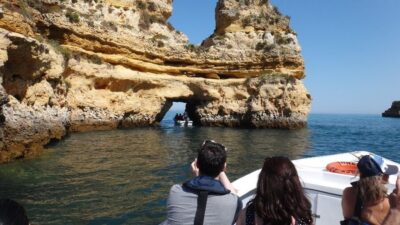

Combo Dolphin and Benagil Tour with Marine Biologist
Read our review →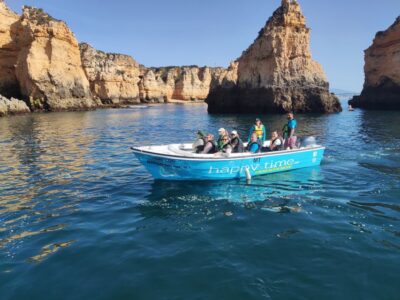
Ponta da Piedade Rock Formations Guided Boat Tour
Read our review →
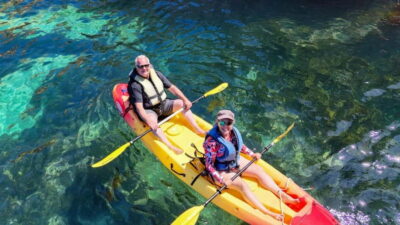
Ponta da Piedade Caves Kayak Tour from Catamaran
Read our review →
Browse the lists this tour appears in