
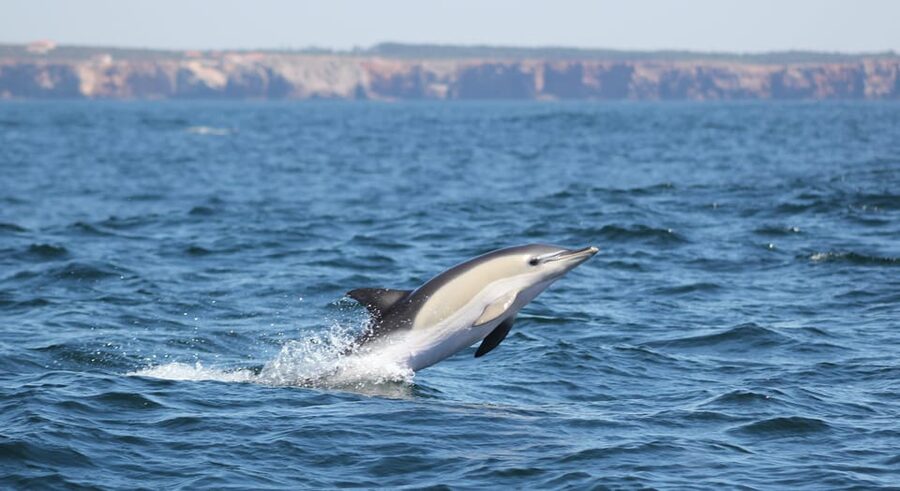
Reviewed · ALGARVE DOLPHIN WATCHING TOURS
Sagres Wildlife Adventure: Dolphin and Whale Watching Tour
Sagres makes wildlife feel close. This 3-hour Cape Cruiser trip is built for dolphins near the coast and whales in deeper water, guided by a marine biologist and run with care for both people and animals.
I especially like the marine biologist onboard, because you get fun, interactive explanations instead of a lecture. I also like the practical setup, with a briefing, skipper support, and life and windbreaker jackets included, so you are not left guessing.
One thing to factor in is that wildlife sightings are never 100 percent guaranteed, and the tour is not a match for everyone, including pregnant women and people with back problems.
In This Review
- Key things that make this tour work in real life
- Why Sagres is a smart place for dolphin and whale watching in the Algarve
- Cape Cruiser logistics: where to go and how boarding feels
- The 3-hour wildlife search: what you are likely to see, and why it varies
- Practical takeaway for your expectations
- The marine biologist experience: fun facts that actually help you watch
- How close you get, and the rules that keep it ethical
- Price and value: is $111 worth it for 3 hours at sea?
- Who this tour is best for, and who should skip it
- A smart health check before you book
- What to bring, what to leave behind, and how to avoid discomfort
- Booking timing: offseason realities and the minimum number of people
- Should you book the Sagres Dolphin and Whale Watching Tour?
- FAQ
- How much does the Sagres Dolphin and Whale Watching Tour cost?
- How long is the tour?
- Where is the meeting point in Sagres?
- What is included in the tour price?
- What languages does the guide speak?
- What should I bring?
- Is the tour suitable for young children, pregnancy, or older adults?
- Can I touch or feed the dolphins or whales?
Key things that make this tour work in real life
- Sagres location game plan: dolphins can be found along the coast, while whales may show up farther out in deeper waters, all in the same outing.
- Marine biologist commentary: you get species info and conservation messaging in a fun, interactive way.
- Up-close viewing without touching: the boat design helps you watch closely, but feeding and touching animals are not allowed.
- Comfort and safety handled: jackets, briefing, and insurance are part of the package, with a crew focused on your well-being before, during, and after.
- No two trips are the same: route and sightings depend on conditions, so there is an element of surprise.
- Weather reality: if bad weather cancels the tour, you either reschedule with no extra cost or get a full refund.
Why Sagres is a smart place for dolphin and whale watching in the Algarve
Sagres sits at a crossroads of Atlantic conditions, right where Portugal’s west-facing coast meets the south-facing coast. That matters because it can put the tour in two different “worlds” for marine life. You have a chance for coastal dolphins and also for whales farther out on the same 3-hour trip.
This is not just marketing language. The practical idea is that the crew starts from Porto da Baleeira and can use the meeting point between coasts to look for different species in different water depths. Some trips can feel more dolphin-forward, others more whale-forward, and sometimes you get a mix of seabirds and other sea life along the way.
If you are coming to the Algarve mainly for wildlife, I like that the operator is planning around location instead of promising one single target. You still get that “maybe today is the day” feeling, but with a plan that increases your chances.
Other trips to Sagres and the headland:


Cape Cruiser logistics: where to go and how boarding feels
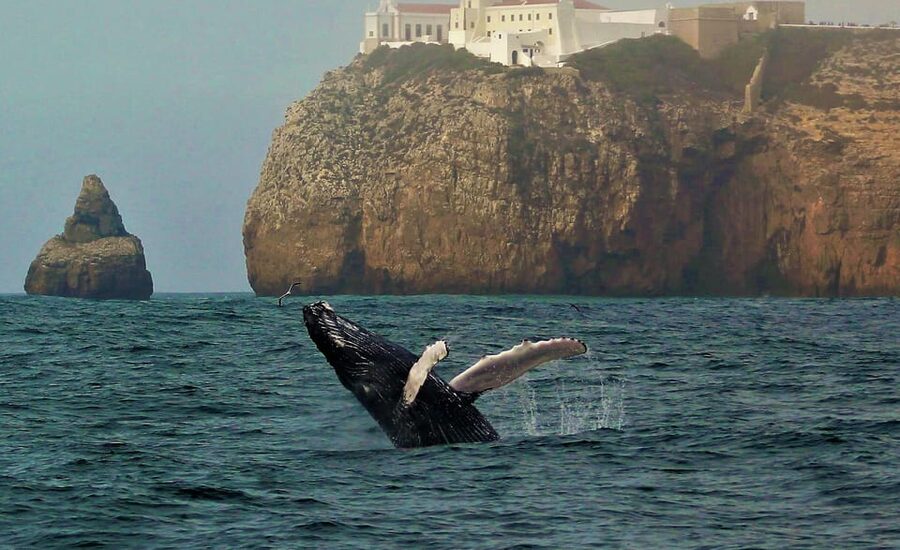
Check-in and drop-off happen at Porto da Baleeira, about 5 minutes from the center of Sagres. The meeting point is Cape Cruiser’s office next to Baleeira’s Beach, which is easy to find once you are oriented to the harbor area.
After a briefing, the crew guides you to the vessel. That small step is more important than it sounds, because it reduces the usual holiday chaos of wandering around a dock trying to figure out where boats are. You also get guidance in multiple languages, including English, Portuguese, and Spanish.
On board, the tour includes both a skipper and a marine biologist. The skipper handles the seamanship, and the marine biologist handles the species talk and conservation angle. That split helps you focus on the viewing instead of playing “guess what that fin is” on your own.
One extra detail I appreciate is the crew approach to your comfort. The tour description is very explicit that they support your well-being before, during, and after. So you can expect them to be paying attention to how people are doing, not just how close they can get to animals.
The 3-hour wildlife search: what you are likely to see, and why it varies
The tour is simple on paper: dolphins, then whales, in a total of 3 hours. In practice, what makes the experience exciting is that each journey is different. The crew is not running a one-size-fits-all script, and the sightings depend on conditions.
Here is what you can realistically look forward to:
- Dolphins close to shore: common dolphins are one possibility, and bottlenose dolphins can also show up.
- Whale watching farther out: whales may include species the crew can identify based on what you encounter in deeper waters.
- Seabirds and other marine life: seabirds often appear alongside active feeding zones, and the boat route can also bring you chances to spot turtles, sharks, and fish when conditions align.
- Orcas as a possible sighting: it is listed as possible, which is rare to see explicitly for this kind of length of tour.
A real-world bonus is that you might get that moment where an animal shows curiosity. Some animals may approach and even swim alongside the boat, which can turn a good sighting into a memorable one. The key is that this happens under strict rules that protect the animals. No touching, no feeding, no crowding.
Practical takeaway for your expectations
If your main goal is whales, go in knowing dolphins, whales, seabirds, or other species could be the main story depending on the day. I think that is a healthier way to travel here. You are not just chasing a single outcome, you are learning what the sea offers that day.
The marine biologist experience: fun facts that actually help you watch
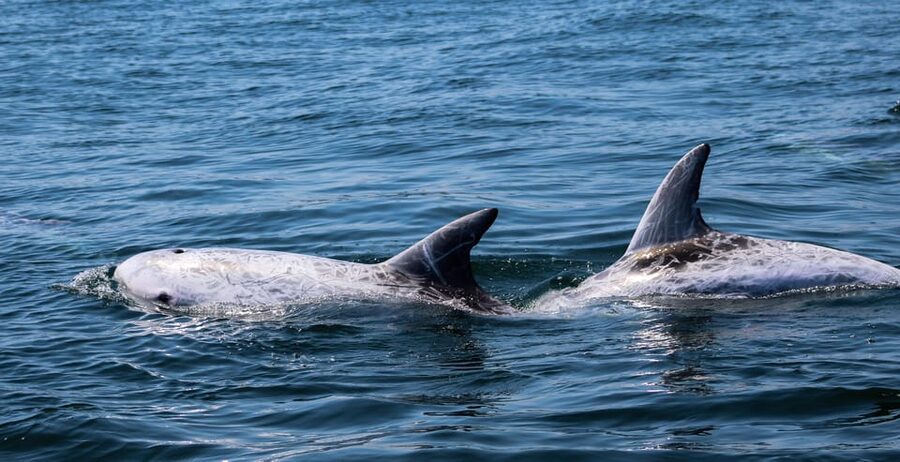
The marine biologist is not just there to fill time. This tour is built around explanations you can use while you are still on the water. Expect interactive species insights and conservation awareness delivered in a way that is designed to keep things engaging.
What I like about this setup is that it changes how you look at the water. Instead of scanning blindly, you get context for what you are seeing and why it matters. That is especially valuable for cetaceans, where surface behavior and timing can look confusing if you do not know what you are trying to identify.
You also get the “respect for habitat” message in a practical way. The tour description is clear that the boats are designed for close observation while maintaining care. That typically leads to better wildlife ethics on the water because everyone onboard is sharing the same rules and goals.
And it helps with patience. Wildlife spotting requires waiting and reading conditions. When you understand a bit more about feeding patterns, movements, and typical behavior, waiting feels less like wasted time and more like part of the hunt.
Other boats out looking for dolphins:
- Sagres: Wildlife Tour Dolphins and Caves
★ 4.7 · 106 reviews - Sagres: Dolphin Watching Tour
★ 4.3 · 8 reviews - Albufeira: 2.5-Hour Benagil Caves & Dolphin Watching
★ 4.6 · 10,710 reviews - Albufeira: Benagil Caves & Dolphin Watching Speed Boat Tour
★ 4.6 · 6,316 reviews - Albufeira: Dolphin Watching and Benagil Cave
★ 4.7 · 5,658 reviews
How close you get, and the rules that keep it ethical
Up-close viewing is a big part of why people choose this kind of tour, but it also has to stay ethical. This operator is clear about what is not allowed. You should expect rules that protect marine life and keep the experience safe for everyone.
Key “do not do this” items include:
- No touching marine life
- No feeding animals
- No fishing
- No glass objects
- No littering
- No smoking or vaping
- No alcohol or drugs
It may feel strict, but strict is what good wildlife viewing requires. When you cannot feed or touch animals, the crew can focus on observation instead of risky interactions. It also reduces the chances of animals changing their behavior due to human interference.
From a rider perspective, the boat design also supports closeness without crowding. The goal is to let you watch more clearly, not to force contact. That is why you can sometimes see animals approach out of curiosity, rather than humans causing it.
Price and value: is $111 worth it for 3 hours at sea?
At $111 per person for a 3-hour outing, this is not a budget activity. I think it lands in the “worth it if you care about wildlife and want guided learning” category.
Here is what you are paying for that makes the number more reasonable:
- A skipper plus marine biologist onboard, so you are not just buying a ride.
- Equipment included, including life and windbreaker jackets.
- A briefing and insurance are part of the tour.
- The route is built around Sagres conditions, which improves your odds of seeing dolphins and potentially whales in one trip.
- Fully insured operation and weather contingency, meaning you are less exposed to paying for a dud day.
If your travel style is mostly scenic cruising with little learning, you might feel the price more sharply. But if you want education, better wildlife etiquette, and a serious chance at cetaceans, the package makes sense.
Also, the tour has a very strong overall rating, which usually means people find the experience consistent and well run. The one pattern you should accept is that wildlife sightings can still vary, even with a top team.
Who this tour is best for, and who should skip it
This trip is described as suitable for families, friends, and anyone who enjoys adventure and contemplation alongside wildlife. That fits the vibe: you get guided learning, you are on the water, and you do not have to be a professional sailor to enjoy it.
But there are clear “not suitable” categories. The tour is not recommended for:
- Children under 3 years
- Pregnant women
- People with back problems
- People over 75 years
If any of those apply, I would not treat the information as a suggestion. A boat trip can involve movement and may not be comfortable or safe for everyone.
A smart health check before you book
The operator specifically asks you to contact them before booking if you have pregnancy, mobility impairment, recent surgery, back problems, or any health condition that might put your well-being at risk during a boat trip. I like this approach, because it turns “maybe” into a real safety conversation.
What to bring, what to leave behind, and how to avoid discomfort
Keep the packing simple. You only have to show up ready to be outside and on a moving boat.
Bring:
- Comfortable shoes
- Comfortable clothes
- Passport or ID card (a copy is accepted)
- Sunscreen if the weather is very sunny
Leave behind:
- Weapons or sharp objects
- Large luggage or bags
- Pets, except assistance dogs
- Any alcohol or drugs
- Baby strollers
Also, avoid items that can become a hazard at sea, like glass objects. It is better to travel light. If you are the type who likes to carry a tote bag “just in case,” this is the time to rethink it.
The boat and crew setup already includes the main comfort items, like jackets, so you are mostly building comfort with your clothing and footwear.
Booking timing: offseason realities and the minimum number of people
Season can change what you see, and it can also change whether a scheduled trip runs. During offseason (November to April), there is a minimum required number of people for the trip to take place, set at 6.
If you are traveling in that window, it is worth checking schedules early and keeping your plan flexible. The tour operator also handles weather cancellations by rescheduling or offering a full refund, so you are not stuck with a hard loss if conditions turn rough.
Should you book the Sagres Dolphin and Whale Watching Tour?
Book it if:
- You want a guided wildlife experience with a marine biologist, not just a sightseeing cruise.
- You are hoping for a realistic chance at dolphins and whales in one outing, thanks to Sagres meeting-point geography.
- You care about animal respect and want a tour that explicitly bans touching and feeding.
- You value comfort basics like jackets, briefing, and an insured trip.
Skip or reconsider if:
- You are in a “not suitable” group, including pregnancy, back problems, children under 3, or age over 75.
- You need guaranteed whales. This is wildlife, not a show, and sightings depend on conditions.
- You want a totally calm, passive activity with no waiting and no scanning. Spotting animals often takes time.
If you fall into the first group, I think the experience offers good value for what you get: a competent skipper, a marine biologist onboard, strong animal ethics, and a route designed for real spotting odds in Sagres.
FAQ
How much does the Sagres Dolphin and Whale Watching Tour cost?
It costs $111 per person.
How long is the tour?
The tour lasts 3 hours.
Where is the meeting point in Sagres?
You meet at Cape Cruiser’s office next to Baleeira’s Beach, and check-in and drop-off are at Porto da Baleeira.
What is included in the tour price?
You get a briefing, a tour guide in English and Portuguese (and Spanish), a skipper and marine biologist onboard, life and windbreaker jackets, observation time for marine life up close, and insurance coverage.
What languages does the guide speak?
The tour guide is available in English, Portuguese, and Spanish.
What should I bring?
Wear comfortable shoes and comfortable clothes, and bring your passport or ID card (a copy is accepted).
Is the tour suitable for young children, pregnancy, or older adults?
No. It is not suitable for children under 3 years, pregnant women, people with back problems, or people over 75 years.
Can I touch or feed the dolphins or whales?
No. Touching marine life and feeding animals are not allowed.
More Wildlife in Sagres
- Faro: Dolphin and Wildlife Watching in the Atlantic Ocean
★ 4.8 · 637 reviews - Small Group Dolphin and Wildlife Watching Tour in Faro
★ 5.0 · 578 reviews - From Faro: Wildlife and Dolphin-Watching Speedboat Tour
★ 4.7 · 41 reviews
New along the Algarve coast
- Private Tour Sagres half day by SW Van★ 5.0 · 1 review
- From Portimao: Half Day Tour of Lagos and Sagres★ 5.0 · 1 review
- Half Day Tour in Lagos and Sagres – Private Tour★ 5.0 · 1 review
- One Way Algarve to Lisbon, through SW Natural Park, Lagos, Sagres, Porto Covo★ 5.0 · 1 review
- Half day tour – Aljezur&Sagres – Private Car Tour★ 5.0 · 1 review
- Faro to Sagres Private Scenic Coastal Journey Through Algarve★ 5.0 · 1 review
- Private Lagos & Sagres Tour★ 5.0 · 2 reviews
Algarve Dolphin Watching Tours, compared.
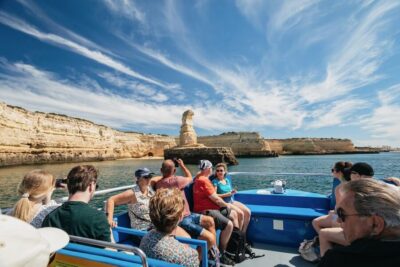

Benagil Caves & Dolphin Watching Speed Boat Tour
Read our review →
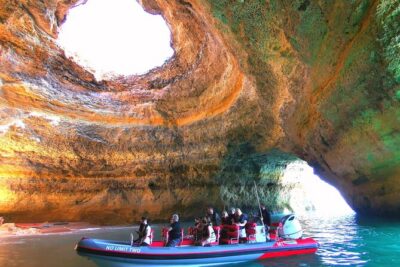
Dolphins Search and Benagil Caves from Albufeira
Read our review →
Dolphin Watching and Benagil Cave Boat Cruise
Read our review →
Benagil Caves & Dolphins Watching with Biologist
Read our review →
Combo Dolphin and Benagil Tour with Marine Biologist
Read our review →
Browse the lists this tour appears in