Reviewed · TICKETS
CCVAlgarve Individual Ticket
Science museums are usually quiet. This one gets hands-on fast. The Algarve Life Science Centre uses interactive displays to explain the Ria Formosa coastal lagoon in a way that feels real, not textbook. I especially like how the museum pairs big environmental ideas with small, repeatable moments, like learning what lives in the intertidal zone and then seeing it up close.
Two things I really liked: the two aquariums (one tropical, one dedicated to the Ria Formosa setting) and the chance to interact with animals in the touch pool. That said, if you want a long, guided, sit-down tour with lots of storytelling, this ticket is more about walking the rooms and trying the stations, so you need a bit of self-motivation.
In This Review
- Key Points to Know Before You Go
- Algarve Life Science Centre: Why This Day Ticket Feels Like Science Fun
- Entering the Big Yellow Centre: Where to Check In
- The Ria Formosa Learning Zones: Nature With a Clear Purpose
- Two Aquariums That Actually Compare Ecosystems
- Seahorses From the Coastal Lagoon: Small Creatures With Big Context
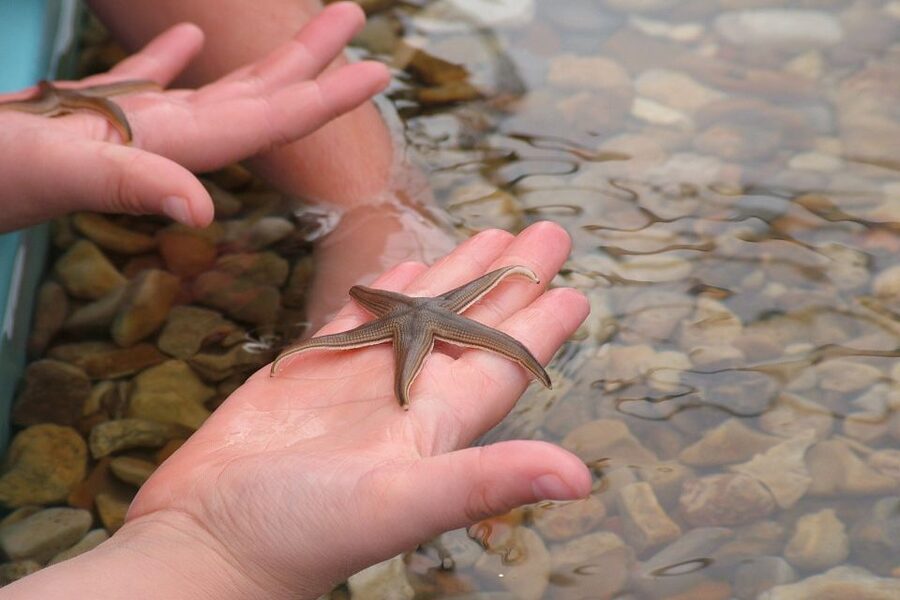
- The Touch Pool: Hands-On Intertidal Learning
- Science Stations to Try: Earthquake, Tornado, and Planet Weight
- The 3-D Printer Moment: Future Tech in a Calm Science Setting
- Food, Calories, and Why That Station Works
- What the Experience Costs, and Why $5 Is Real Value
- Who This Day Ticket Suits Best
- Quick Practical Notes for a Smoother Visit
- Should You Book This Ticket?
- FAQ
- How long is the CCVAlgarve Individual Ticket?
- What is included with the ticket price?
- Where do I go to use my ticket?
- Can I bring pets?
- Is the centre wheelchair accessible?
- Are there restrictions on alcohol or drugs?
Key Points to Know Before You Go
- Ria Formosa in focus: You are learning about the coastal lagoon ecosystem, not just “general nature.”
- Touch pool experience: A hands-on area shows animals from the intertidal zone.
- Two aquarium styles: Tropical tank plus a lagoon-based aquarium with seahorses.
- Try-it science stations: Earthquake feeling, live tornado, and other playful experiments.
- Food and physics moments: You even guess pizza calories as part of the activity flow.
- Indoor comfort: The museum layout is manageable and easy to handle for families.
Algarve Life Science Centre: Why This Day Ticket Feels Like Science Fun
If you are looking for something that feels worthwhile even when the weather is hit-or-miss, this is a strong pick. The Algarve Life Science Centre turns a 1-day visit into a loop of short zones where you can learn, test, and compare. Instead of one big show, you get multiple mini experiences, so there is usually something happening right when you walk in.
I like that the theme stays grounded. The star is the Ria Formosa ecosystem, a coastal lagoon environment where species adapt to changing tides and conditions. That theme keeps the visit coherent, even when you hop from geology to meteorology to food-based experiments.
And the price is hard to ignore. At about $5 per person, the value comes from the fact that your ticket is tied to entrance and a whole set of interactive modules, not just a quick look at a room or two. You are basically paying for access to a compact science playground.
A few other coastal days worth pricing up

Entering the Big Yellow Centre: Where to Check In
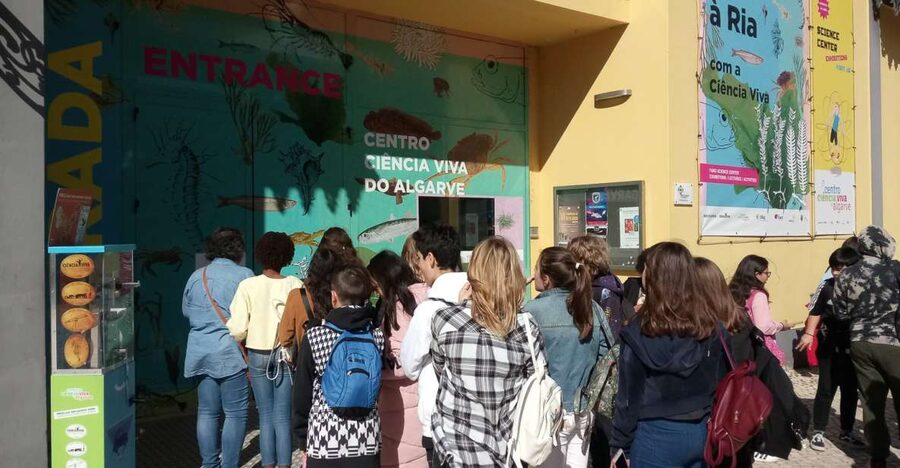
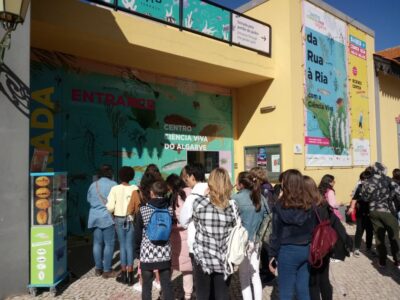
Your starting move is simple. Go to the big yellow building and enter through the middle area, right in front of the castle walls. Show your ticket at the reception counter. That is it for logistics, and it matters because the museum is designed so you can start your route immediately after check-in.
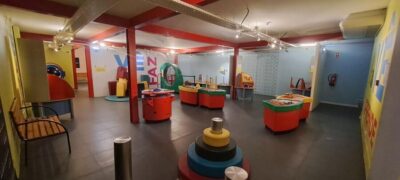
Once you are inside, you can think of the visit as a set of themed stations spread across the building. You are not stuck in one direction only. The sections are arranged so you can follow the science areas in whatever order fits your energy level.
The Ria Formosa Learning Zones: Nature With a Clear Purpose
The core reason to choose this ticket is the museum’s focus on the Ria Formosa. You will find interactive modules that explain how this coastal lagoon works and why it matters. Expect information presented in ways that connect cause and effect, like how conditions shape what animals can live there.
You will also notice the museum’s “translation” style. The displays do not just say where organisms live. They connect the ecosystem to life cycles and behavior, which helps it land in your brain as something you can picture, not something you merely remember.
If you like when science is practical, this part delivers. It gives you the background so the aquarium and touch pool moments feel earned. You walk in, you learn the basics, then you meet the animals in the tanks with context instead of random wow-factor alone.
Two Aquariums That Actually Compare Ecosystems
Most science stops give you one aquarium and call it a day. Here, you get two, and the contrast is the point.
One aquarium is tropical, which sets an easy baseline for how aquatic animals live in a more stable environment. The second aquarium represents the sub-real environment of the Ria Formosa coastal lagoon, where conditions shift with the tides and the habitat changes day to day.
The big win is that this comparison makes it easier to understand adaptation. When you later meet the Ria Formosa seahorses, it is not random. You have already seen how different environments shape different life needs.
The aquarium experience is also a comfortable length for a day ticket. It is not an all-day aquarium marathon. You can see what you want, then move on to the next science station without getting worn out.
Seahorses From the Coastal Lagoon: Small Creatures With Big Context
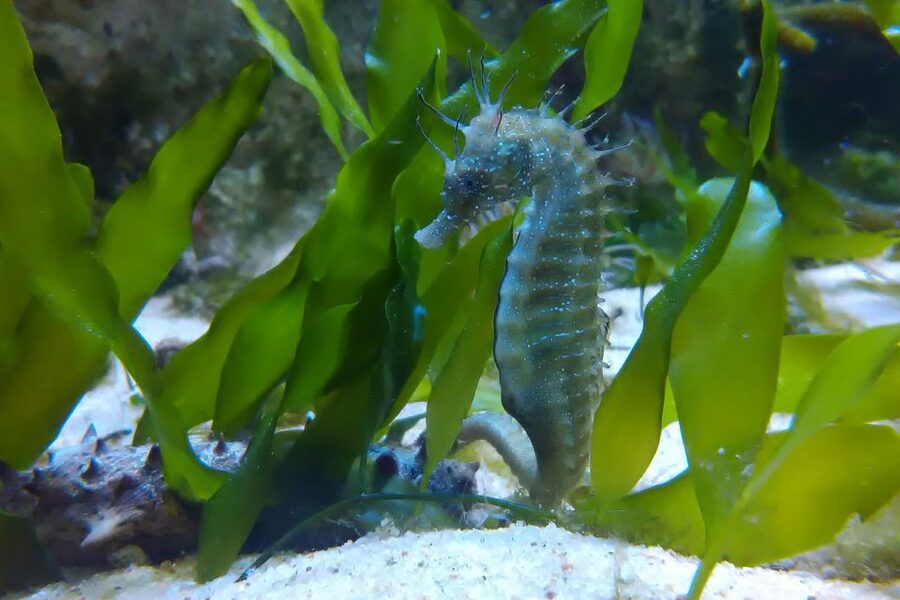
One of the most memorable parts is discovering sensitive seahorses from the Ria Formosa. The museum presents them as part of the lagoon story, and that is exactly what you want from a good science exhibit: it ties the animal to the place.
Because the seahorses are specifically connected to the Ria Formosa ecosystem, your learning does not stop at identification. You start thinking about habitat sensitivity, what happens when conditions change, and why these environments are worth protecting.
If you are traveling with kids, this is a great anchor moment. Seahorses are naturally interesting, but what makes the experience useful is the explanation around where they fit in the lagoon’s life cycle and intertidal dynamics.
Another way to take the same stretch of coast:
- Portimão: Benagil Caves Speed Boat Tour with Sunset Option
★ 4.8 · 11,663 reviews - Albufeira: 2.5-Hour Benagil Caves & Dolphin Watching
★ 4.6 · 10,710 reviews - Portimão: Benagil Sea Caves Speedboat Adventure Tour
★ 4.8 · 6,546 reviews - Albufeira: Benagil Caves & Dolphin Watching Speed Boat Tour
★ 4.6 · 6,316 reviews - Albufeira: Dolphin Watching and Benagil Cave
★ 4.7 · 5,658 reviews
The Touch Pool: Hands-On Intertidal Learning
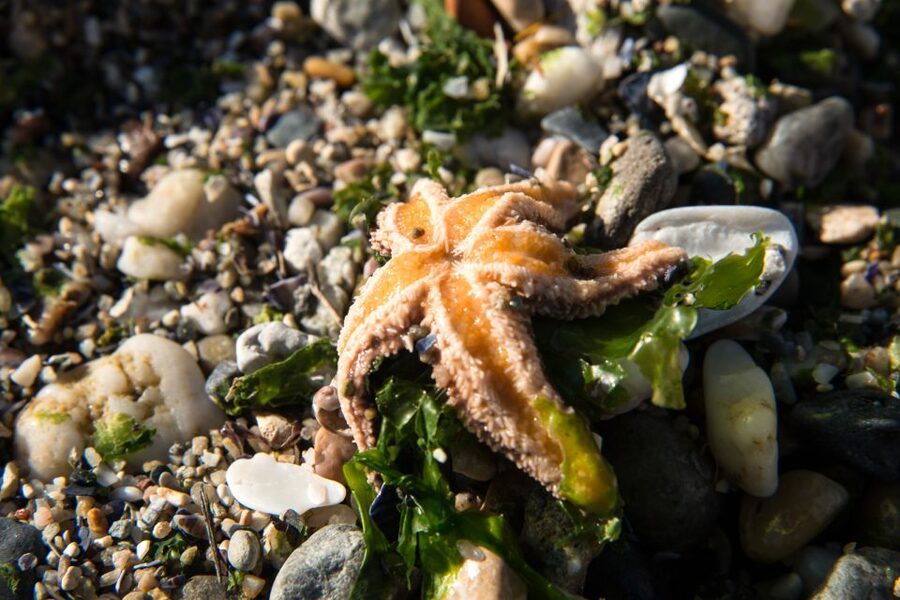
The most active area is the touch pool, where you can interact with animals that are usually found in the Ria Formosa intertidal zone. This is the kind of experience that turns a concept into a physical memory. You learn with your eyes, then your hands, then your questions.
This section also links the touch interaction to understanding life cycles. The museum uses that setup to make you think about how creatures survive, grow, and relate to the unique intertidal environment.
A practical tip: treat this area as the “peak moment” of your visit. If you go through everything else first, you might feel like you already used up your attention. If you start with the touch pool, you can carry the curiosity into the seahorse and aquarium zones.
Also, since the touch pool relates to intertidal animals, it is worth paying attention to the displayed explanations about where these animals live and how tides and habitat changes affect them. That context makes the experience feel like learning, not just touching.
Science Stations to Try: Earthquake, Tornado, and Planet Weight
Beyond aquariums, this centre leans into interactive science that makes big ideas feel small. If you like doing rather than just watching, you will have a good time here.
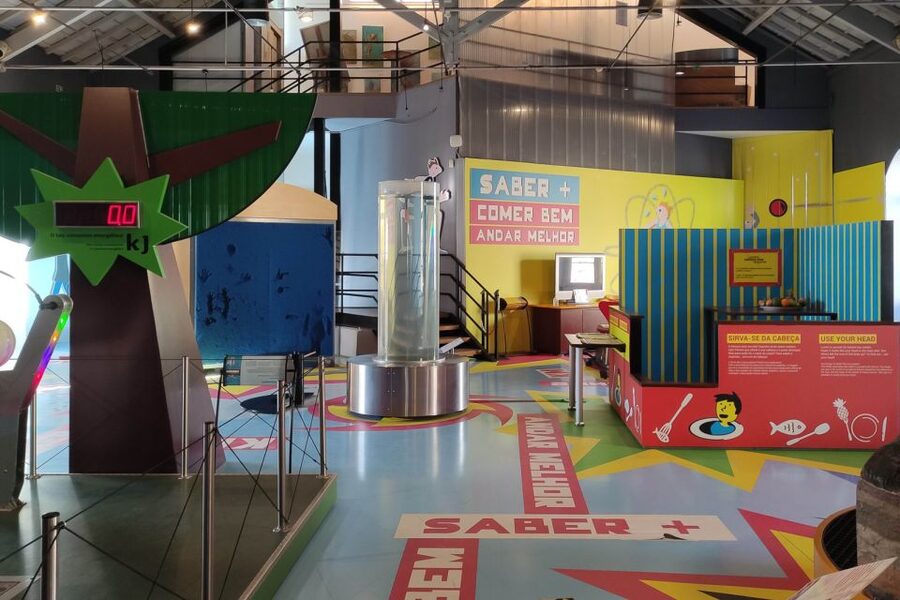
In the section featuring Physics, Geology, Food, Meteorology, and Volcanos, you will encounter multiple hands-on or feeling-style modules, including:
- Experiencing the feeling of an earthquake
- Seeing a live tornado
- Checking your weight on other planets
- Getting a chance to guess how many calories are in a pizza
Here is why those stations are useful for you. They help you connect concepts you might hear in schools to a sensory or playful moment. An earthquake simulation is easier to understand when your body registers the idea. Planet weight makes gravity feel less abstract. Pizza calories brings food math into view without making it feel like a lecture.
The tornado moment is the kind of demonstration that usually grabs both kids and adults. Even if you already know weather patterns, watching and interacting with the concept is a different mental channel than reading.
The 3-D Printer Moment: Future Tech in a Calm Science Setting
The museum also includes a 3-D printer feature. It is the sort of modern add-on that helps the visit feel current. You are still in science education territory, but it signals that the centre is not only about nature.
I like these moments because they provide a break from animal-focused exhibits. You get to see that science is not only about observing ecosystems. It is also about making, designing, and building.
If you are traveling with a teen or tech-curious kid, this can be a nice “bonus interest” stop that keeps energy up toward the end of the day.
Food, Calories, and Why That Station Works
The pizza calories guessing game sounds simple, but it is actually a clever learning format. It turns nutrition information into participation. When you guess first, then learn, you create a mental comparison point.
That is especially valuable if you are traveling with kids who can get distracted by long explanations. A quick, interactive “try it” station breaks up the visit and also gives you a talking point later.
The fact that this sits alongside physics, geology, meteorology, and volcanos also helps the centre land as a true science mash-up. It gives you a reason to keep moving, instead of treating the day like a single-theme museum.
What the Experience Costs, and Why $5 Is Real Value
At $5 per person, this ticket is in the “seriously good deal” category. The cost makes sense because the entrance includes access to multiple interactive areas: two aquariums, a touch pool, and several science stations.
Could you spend the full time here and still feel like you did something? Yes, because it is not just a hallway of exhibits. It is a set of experiences designed to keep you engaged across different interests.
The only time the value might feel weaker is if you need a long, structured guided narrative. This ticket gives you entrance and access to stations, so your experience improves if you enjoy exploring at your own pace and reading the explanations as you go.
Who This Day Ticket Suits Best
This fits best if you:
- Want a science-focused stop in Algarve that works well indoors
- Enjoy hands-on exhibits like a touch pool
- Travel with kids, especially school-age kids who like interactive moments
- Prefer compact museums where you can see a lot without spending an entire day in one chair
Based on how visitors describe the experience, it also tends to work well for families because the museum does not feel huge. If you are traveling with multiple kids, you will likely appreciate that you can manage attention spans by moving from zone to zone.
Quick Practical Notes for a Smoother Visit
A few things will help you get the best experience out of your time:
- Plan to split your attention across the aquariums, touch pool, then science stations.
- Keep some time for the seahorses and the intertidal explanations, since those tie the whole theme together.
- Expect a mostly indoor experience, and take advantage of the comfortable indoor setting when you can.
Also note the centre rules: pets are not allowed, and assistance dogs are allowed. Alcohol and drugs are not permitted.
Should You Book This Ticket?
Book it if you want a low-cost, high-activity day at the Algarve Life Science Centre, especially if you like animal exhibits with context and interactive science stations that get kids and adults involved. At around $5 per person, the value is strong, and the mix of Ria Formosa learning plus hands-on aquarium and touch pool time makes it more memorable than a typical entry-only museum stop.
Skip it only if your ideal visit is a fully guided, deep storytelling tour that you can sit through in one continuous flow. This experience works best when you are okay walking, choosing what to try, and engaging with the stations as you go.
FAQ
How long is the CCVAlgarve Individual Ticket?
It is valid for 1 day, with starting times you can check based on availability.
What is included with the ticket price?
Entrance fees are included.
Where do I go to use my ticket?
Enter the Algarve Life Science Centre, then show your ticket at the reception counter. The entrance is in the middle in front of the castle walls in the big yellow building.
Can I bring pets?
Pets are not allowed. Assistance dogs are allowed.
Is the centre wheelchair accessible?
Yes, it is wheelchair accessible.
Are there restrictions on alcohol or drugs?
Alcohol and drugs are not allowed.
New along the Algarve coast
- Algarve Portugal Wine Tasting Activity with Pick Up★ 4.0 · 1 review
- From Portimao: Half Day Tour of Lagos and Sagres★ 5.0 · 1 review
- Vilamoura: Private Hire 3 hours to Benagil Cave★ 5.0 · 1 review
- Carrapateira – Pedralva MtBike Tour★ 5.0 · 1 review
- Tour of a craft brewery with tasting★ 5.0 · 1 review
- Private Tour To Silves Castle and Monchique★ 5.0 · 1 review
- Surf in Algarve: Take a unique day with your family!★ 5.0 · 1 review
Tickets, compared.


Dreamer Cave and Dolphins Boat Tour Ticket Albufeira
Read our review →